
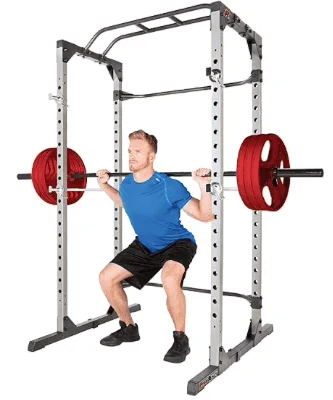
Best Bench and Squat Rack for Soccer Players and Home Athletes
A bench and squat rack can be a strong part of a home training setup, but not every athlete needs a giant powerlifting station. For soccer players and general athletes, the best setup is usually the one that fits the space, supports safe strength work, and matches the actual training plan.
Quick verdict
For most soccer families and home athletes, a compact rack plus an adjustable bench offers the best overall balance of safety, cost, and flexibility. A full power rack is better when space, budget, and long-term training commitment are already in place.
Who this setup is really for
- Home gym beginners who want a flexible base
- Soccer players building lower-body strength and resilience
- Families who need one shared setup for multiple users
- Older youth athletes training under supervision
Pros and cons
Pros
- Supports squats, presses, split squats, and other big movements
- Can make home strength work more consistent
- Safer and more versatile than trying to improvise with limited equipment
Cons
- Takes up meaningful space
- Better models are not cheap
- Needs supervision and a real plan for younger athletes
Comparison table
| Setup type | Best for | Main strength | Main drawback |
|---|---|---|---|
| Adjustable bench only | Beginners | Simple and affordable | Limited barbell work |
| Compact squat stand + bench | Smaller spaces | Good value and flexibility | Less security than a full rack |
| Power rack + bench | Serious home training | Best safety and versatility | More space and cost |
Why soccer players should think differently
Soccer players do not need to train like pure powerlifters. Lower-body strength, unilateral stability, trunk control, and force production matter more than chasing a giant bench press. Squats, split squats, Romanian deadlifts, step-ups, and controlled upper-body work fit the sport far better than a random "lift everything heavy" mindset.
What matters most before buying
- Safety: stable construction and safeties matter more than flashy extras.
- Space: buy the setup you can actually use properly in your home.
- Adjustability: useful if multiple athletes will use it.
- Training fit: buy for your actual plan, not an imaginary future routine.
How it fits into a soccer training week
For many soccer players, two or three strength sessions per week is enough during lower-competition periods. In heavier match stretches, the goal is often maintenance rather than aggressive loading.
- Day 1: lower-body strength and core
- Day 2: upper-body plus single-leg stability
- Day 3: lighter full-body or power-focused session if schedule allows
Best setup for most households
Compact rack plus adjustable bench
For many homes, this is the best combination of price, footprint, and usefulness.
Full rack with safeties
If space and budget allow, this is usually the strongest long-term choice. It gives more exercise options and better safety margins.
Minimal strength setup
A simple bench and dumbbells can still be enough for younger athletes who are not ready for a full rack.
Keep Reading
To build a smarter strength plan, review soccer strength training, optimal youth soccer training, and soccer training equipment.
Related Articles
Best Soccer Cleats 2026: Top Picks for Every Position & Budget
Find the best soccer cleats for your position and surface. We compare Adidas, Nike, PUMA and more — firm ground, turf, indoor — for youth and adult players.
Best Soccer Training Equipment for Youth Players (2026 Guide)
Our guide to the best soccer training equipment covers strength, agility, and skill gear — squat racks, agility ladders, training balls, cones, and more for youth athletes.
Best Soccer Training Balls: Reviews, Comparisons, and What to Buy
Find the best soccer training balls for dribbling, passing, first touch, and everyday practice, with clear recommendations by budget and training style.

Best Full Size Soccer Goals for Home (2025): Top Picks Reviewed
Looking for the best full size soccer goal for your backyard? We compare the top options — from professional-grade FORZA to budget picks — to help you choose.