
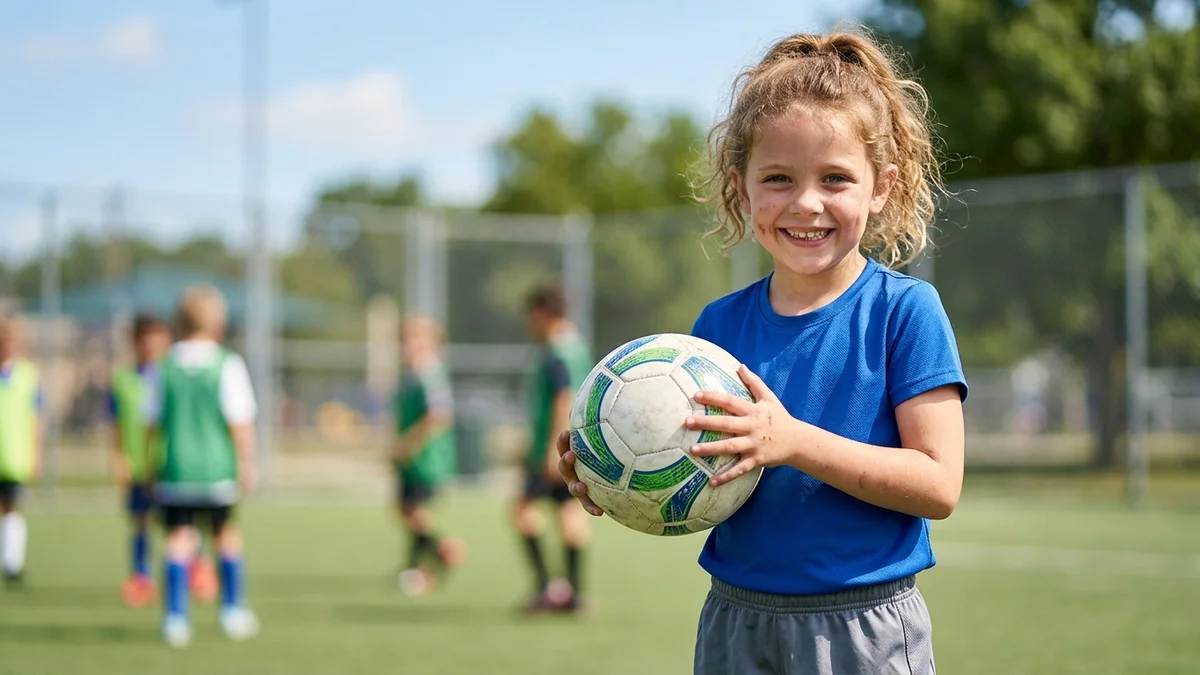
Best Futsal Ball Brands For Recreational Leagues
Best Futsal Ball Brands For Recreational Leagues
For recreational leagues, the best futsal ball brands for recreational leagues prioritize durability, consistent bounce, and excellent touch. Top choices often include brands like Select, Mitre, and Adidas, known for producing high-quality futsal-specific balls that are ideal for developing players and casual play. These balls offer a great balance of performance and affordability, ensuring young athletes can enjoy the game without compromising on equipment quality.
What Parents Need to Know About Best Futsal Ball Brands For Recreational Leagues
The Unique Characteristics of a Futsal Ball
Futsal balls differ significantly from outdoor soccer balls. They are typically smaller and heavier, with significantly reduced bounce. This low-bounce characteristic is intentional; it allows for greater ball control on hard indoor surfaces, making it easier for players to dribble, pass, and shoot with precision. The reduced bounce also encourages quick thinking and skillful footwork, essential elements of futsal. For recreational leagues, especially for younger players, this characteristic helps build a strong foundation in ball manipulation and close control, skills that translate directly to outdoor soccer. When selecting a futsal ball for recreational play in 2026, look for models explicitly labeled "futsal" to ensure these specific performance traits are present.
Durability and Material Considerations
In recreational leagues, futsal balls can endure a lot of play, often on abrasive indoor court surfaces. Therefore, durability is a paramount concern for parents. High-quality futsal balls are constructed with robust synthetic leather covers, often poly-urethane (PU), which can withstand the rigors of frequent use. Stitched panels, rather than glued ones, generally offer superior longevity and shape retention. Some balls feature a reinforced bladder for added toughness. For 2026, many leading brands are incorporating advanced material technologies to enhance both the lifespan of the ball and its tactile feel, ensuring a consistent playing experience even after extensive use in practices and games.
Size and Weight for Different Age Groups
Futsal balls come in specific sizes and weights designed to suit different age groups, much like traditional soccer balls. For younger players, typically under 12 years old, a size 3 futsal ball is recommended. These are smaller and lighter, making them easier to manage and control. For older youth players, ages 12 and above, a size 4 futsal ball is standard. This size is comparable to a standard outdoor soccer ball in circumference but retains the characteristic low bounce. Ensuring the ball is the correct size and weight for your child's age group is vital for proper skill development and preventing frustration, allowing them to focus on learning the game in 2026.
The Importance of Touch and Feel
A futsal ball’s texture and surface play a significant role in how a player interacts with it. For recreational leagues, a ball with a good feel allows players to develop confidence in their touch. Many futsal balls feature a slightly textured or dimpled surface to enhance grip, making it easier to control the ball, especially during dribbling and receiving passes. This improved grip is particularly beneficial for younger players who are still refining their coordination. In 2026, manufacturers are focusing on creating surfaces that offer a soft yet responsive feel, providing a comfortable experience for players of all skill levels and promoting better ball control.
Futsal Ball Recommendations by Age Group
| Age Group | What to Expect | Key Recommendation |
|---|---|---|
| Ages 5-8 | Players in this age group are just beginning to learn the fundamentals. They need a ball that is easy to control, lightweight, and has a very low bounce. The focus is on developing basic motor skills and getting comfortable with the ball at their feet. | Select Futsal I-Ball (Size 3): Offers exceptional softness and low bounce, perfect for the youngest players. Its durable construction can withstand enthusiastic play. |
| Ages 9-12 | As players grow, they can handle slightly larger and heavier balls. At this stage, developing dribbling, passing accuracy, and receiving skills becomes more prominent. The ball should still have a low bounce but offer a more responsive feel. | Mitre Indoor Futsal Ball (Size 3/4): Provides a good balance of weight and softness, with excellent durability for frequent use. It offers a consistent touch for skill development. |
| Ages 13-18 | Teenage players are developing more advanced techniques and require a ball that mirrors the feel of official futsal matches. Size 4 is standard, offering a more challenging yet rewarding experience. Emphasis is on precision passing, shooting power, and tactical play. | Adidas Futsal Pro Ball (Size 4): This ball is designed for competitive play and offers superior touch, control, and durability. Its high-quality construction ensures consistent performance for serious young athletes. |
How to Choose / What to Look For
Verify Futsal-Specific Design
The most critical step in selecting a futsal ball is to ensure it is specifically designed for futsal. Look for clear labeling on the ball or packaging indicating "Futsal" or "Indoor." These balls will have the characteristic low bounce and heavier weight essential for the sport. Standard soccer balls, even indoor versions, will not replicate the feel and control needed for futsal. In 2026, manufacturers are increasingly highlighting these specific design features, making it easier for parents to identify the correct type of ball for recreational leagues and training.
Check for Official Size and Weight Standards
Adhering to the correct size and weight for your child's age group is paramount. For younger players (under 12), a size 3 futsal ball is typically recommended, measuring around 23-25 inches in circumference and weighing 11-13 ounces. For older players (12 and up), a size 4 futsal ball is standard, with a circumference of 24-26 inches and a weight of 14-16 ounces. Using a ball that is too large or heavy can hinder development and lead to frustration, while one that is too small or light won't provide the proper training experience in 2026.
Evaluate Material Quality and Construction
The material and construction of a futsal ball directly impact its performance and lifespan. Opt for balls made from high-quality synthetic leather, such as PU, which offers a good balance of softness and durability. Panels should ideally be stitched, not just glued, for better seam integrity and shape retention. A reinforced bladder is also a plus for added resilience. In 2026, advancements in material science mean many balls offer excellent tactile feedback and consistent performance, even after repeated use on hard courts.
Consider the Bounce (or Lack Thereof)
As mentioned, futsal balls have a significantly reduced bounce compared to traditional soccer balls. This is a defining characteristic and a key factor for skill development. When selecting a ball, you want one that feels "dead" or has a minimal rebound when dropped from waist height. This low-bounce design is crucial for mastering close control, quick passes, and intricate dribbling. Avoid balls that feel bouncy; they are not suitable for futsal and will hinder your child's ability to learn the game properly in 2026.
Read Reviews and Seek Recommendations
Before making a purchase in 2026, take advantage of online reviews and seek recommendations from coaches or other parents involved in recreational futsal leagues. Reviews can offer valuable insights into a ball's real-world performance, durability, and value for money. Hearing from others who have used specific brands and models can help you make a more informed decision. Many reputable online sports retailers provide customer ratings and reviews that are a great resource for parents.
Common Questions Answered
What is the difference between a futsal ball and a regular soccer ball?
The primary difference lies in their construction and performance characteristics. Futsal balls are specifically designed for indoor play on hard surfaces. They are generally smaller and heavier than standard outdoor soccer balls, and most importantly, they have a significantly reduced bounce. This low-bounce feature is crucial for control and skill development in futsal, allowing for more precise passing and dribbling. Regular soccer balls have a higher bounce, making them unsuitable for the fast-paced, close-control nature of futsal.
Is a size 3 futsal ball good for my 10-year-old?
For a 10-year-old playing in a recreational futsal league in 2026, a size 3 futsal ball is often the recommended choice. While some older youth players might transition to a size 4, size 3 balls are specifically designed for younger players aged roughly 5 to 12. They offer a lighter weight and smaller circumference, making them easier to control and manage, which is ideal for developing fundamental skills and building confidence at this age. Always check with the league for specific equipment guidelines.
How often should I replace my child's futsal ball?
The lifespan of a futsal ball depends heavily on its quality, the frequency of use, and the playing surface. For recreational leagues with regular practice and game schedules, a durable, high-quality futsal ball from a reputable brand should last at least one to two seasons. Signs that it's time for a replacement include visible wear and tear on the cover, seams beginning to split, loss of shape, or a noticeable change in its low-bounce characteristic. Investing in a well-made ball will generally provide better longevity in 2026.
What the Best Futsal Ball Brands Offer
The best futsal ball brands for recreational leagues in 2026, such as Select, Mitre, and Adidas, consistently offer balls that are engineered for the unique demands of the sport. They prioritize a low bounce for enhanced control, a durable construction to withstand indoor court play, and materials that provide excellent touch and feel. These brands understand that recreational players, from beginners to developing youth athletes, need equipment that is reliable, performs consistently, and helps foster skill development. They often provide a range of options suitable for different age groups and skill levels, ensuring that parents can find a ball that balances quality with affordability for their child's league participation. Use our youth soccer team finder to find qualified programs in your area.
Frequently Asked Questions
What is a good price range for a quality futsal ball for recreational leagues?
Are there specific futsal ball sizes recommended for different age groups in recreational leagues?
What should parents expect in terms of durability and performance from a good recreational futsal ball?
What are common concerns parents have about buying futsal balls for their kids' leagues?
How do I know if a futsal ball is the right choice for a recreational league, and not just a regular soccer ball?
Are there any specific maintenance tips for recreational futsal balls to make them last longer?
Related Articles
Durability Of Futsal Balls For Kids' Training
Ensure the durability of futsal balls for kids' training with our expert guide on selecting the best options for optimal play and longevity.

Best Youth Soccer Summer Camps 2026: How to Choose the Right One
Find the best youth soccer summer camps for 2026 with our guide on how to choose the perfect program for your young athlete.

Futsal Ball Vs Soccer Ball For Young Players
Choosing between a futsal ball vs soccer ball for young players? Learn the key differences to make the best choice for your child's development.