
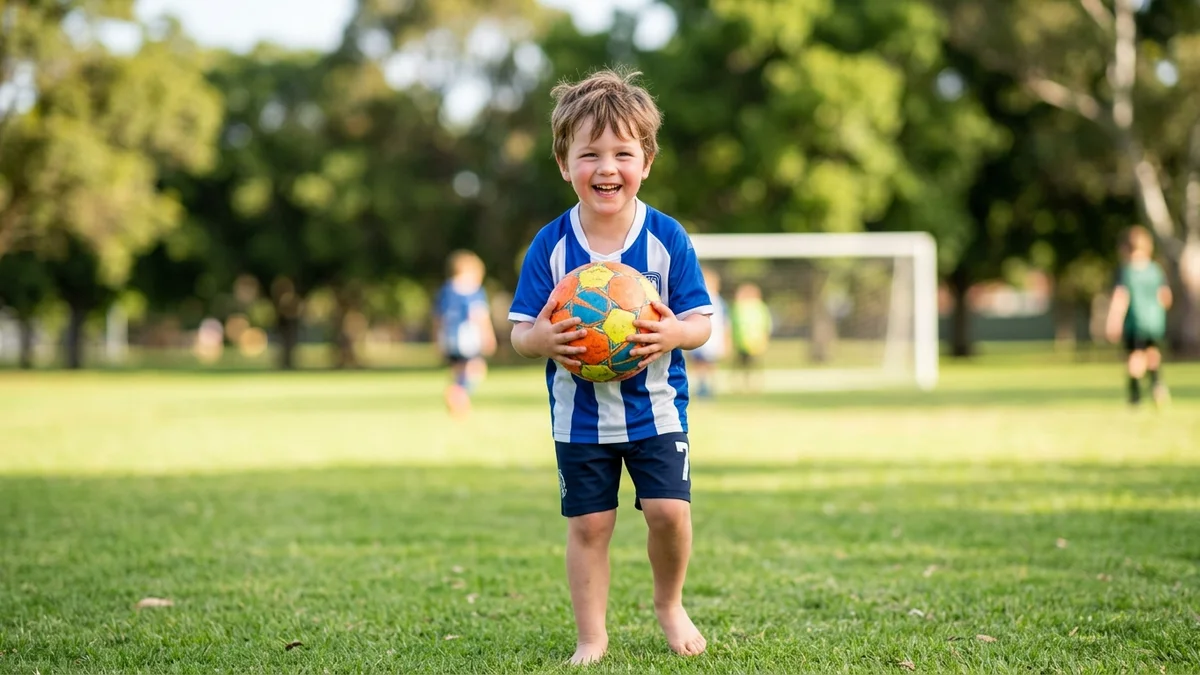
How To Choose A Futsal Ball For Indoor Soccer
How To Choose A Futsal Ball For Indoor Soccer
Choosing the right futsal ball for indoor soccer is crucial for skill development and enjoyment. A good futsal ball for indoor soccer is typically smaller and heavier than a standard soccer ball, with reduced bounce, allowing for better ball control and a more technical game. Consider the age and skill level of your player when selecting size and weight.
Last updated June 2026.
Futsal, a fast-paced variant of soccer played indoors on a smaller court, demands a specific type of ball. Unlike outdoor soccer balls that are designed for flight and larger spaces, futsal balls are engineered to stay grounded and allow for intricate footwork. This article will guide parents on how to choose a futsal ball for indoor soccer that best suits their child's needs, fostering proper technique and a love for the game.
What Parents Need to Know About How To Choose A Futsal Ball For Indoor Soccer
The Unique Characteristics of a Futsal Ball
Understanding the fundamental differences between a futsal ball and a traditional soccer ball is the first step in making an informed decision. Futsal balls are designed with a significantly lower bounce. This is achieved through a denser bladder and often a slightly heavier construction. The reduced bounce is intentional, making the ball more predictable on hard indoor surfaces and encouraging players to keep the ball close to their feet. This characteristic is vital for developing close-control dribbling, precise passing, and quick decision-making, all hallmarks of effective futsal play. For parents looking to improve their child's technical skills, a proper futsal ball is an invaluable training tool. The emphasis is on ground play and skillful manipulation of the ball, rather than aerial play and long passes common in outdoor soccer.
Why Reduced Bounce Matters for Young Players
The reduced bounce of a futsal ball is a significant advantage, particularly for younger or less experienced players. A standard soccer ball, with its higher bounce, can be unpredictable and difficult to control on hard indoor courts. This can lead to frustration and hinder skill development. A futsal ball, however, stays closer to the ground, allowing players to develop a better feel for the ball. This increased control translates directly into improved dribbling, passing accuracy, and overall confidence. When children can consistently connect with the ball and execute passes, they are more likely to stay engaged and motivated to practice. This controlled environment is perfect for building a solid technical foundation that will benefit them in any form of soccer.
Futsal Ball Sizes and Weights: A Crucial Consideration
Just like outdoor soccer balls, futsal balls come in different sizes and weights, and selecting the correct one is paramount for player development and safety. The size and weight of the ball should correspond to the age and physical development of the player. Using a ball that is too large or too heavy can be cumbersome and potentially lead to improper technique or even injury. Conversely, a ball that is too small or too light might not provide the appropriate challenge or feel for the game. Parents should familiarize themselves with the recommended size and weight guidelines for their child's age group to ensure they are using a ball that promotes proper technique and enjoyable play. This attention to detail ensures the ball is a tool for development, not a hindrance.
The Importance of Material and Durability
When considering how to choose a futsal ball for indoor soccer, the material and construction play a vital role in its performance and longevity. Futsal balls are typically made from synthetic leather or a durable PU (polyurethane) material. These materials are chosen for their ability to withstand the friction of hard indoor surfaces while maintaining their shape and feel. The stitching or panel construction also affects the ball's durability and how it interacts with the player's foot. A well-constructed futsal ball will offer consistent performance over time, even with regular use. For parents, investing in a quality ball means a longer-lasting training aid that will continue to support their child's soccer journey. Durability is especially important for younger players who may not always handle the ball with the same finesse as older athletes.
Futsal Ball Recommendations by Age Group
| Age Group | What to Expect | Key Recommendation |
|---|---|---|
| Ages 5-8 (U6-U8) | Players at this age are developing fundamental motor skills and learning the basics of soccer. They benefit from a ball that is easy to control and encourages frequent contact. The focus is on fun and building confidence. | Size 3 Futsal Ball (approximately 21-23 inches in circumference, 11-12 oz weight). These are lighter and smaller, making them manageable for young feet and promoting good first touches. |
| Ages 9-12 (U9-U12) | Players in this range are refining their technical skills and starting to understand more complex game strategies. They need a ball that allows for precise passing and dribbling while still being manageable. | Size 3 Futsal Ball (same as younger ages, but focus shifts to a slightly heavier and more durable construction for more robust play). Look for balls with good touch and responsiveness. |
| Ages 13-18 (U13-U18) and Adults | Teenage and adult players require a ball that closely mimics the feel and weight of professional futsal balls. This age group can handle a heavier ball and benefits from its reduced bounce for advanced skill development. | Size 4 Futsal Ball (approximately 24-25 inches in circumference, 14-16 oz weight). This is the official size for older youth and adult futsal. It demands greater strength and control, fostering advanced technique. |
How to Choose / What to Look For
Prioritize Reduced Bounce
The defining characteristic of any futsal ball is its reduced bounce. When you're learning how to choose a futsal ball for indoor soccer, make this your top priority. A ball with a low bounce is essential for indoor play because it stays close to the ground, allowing players to develop precise footwork, control, and quick passing. Standard soccer balls are designed for outdoor fields and have a much higher bounce, which is impractical and detrimental to skill development on hard indoor surfaces. When evaluating a ball, give it a gentle drop from waist height onto a hard surface. It should barely rebound, staying near your feet. This attribute is non-negotiable for effective futsal training and play.
Select the Correct Size and Weight
As outlined in the age group recommendations, the size and weight of a futsal ball are critical. For younger children (ages 5-8), a Size 3 ball is recommended. This is smaller and lighter, making it easier for them to control and kick effectively. As players mature, typically around ages 9-12, they can continue with a Size 3 ball but should look for a slightly heavier option. For players aged 13 and older, including adults, a Size 4 futsal ball is the standard. This larger and heavier ball requires more strength and skill to handle, closely replicating the feel of official futsal matches and promoting advanced technical development. Using the correct size ensures proper technique is learned and prevents unnecessary strain.
Examine the Material and Construction
The outer material of a futsal ball significantly impacts its feel, durability, and performance. Most high-quality futsal balls are made from synthetic leather or polyurethane (PU). These materials offer a good balance of softness for touch and toughness for indoor court play. Look for balls with a textured surface, which can improve grip and control. The construction method – whether hand-stitched, machine-stitched, or thermally bonded – also matters. Hand-stitched balls often offer superior durability and shape retention, while machine-stitched balls can be more budget-friendly. Thermally bonded balls offer a seamless feel and excellent water resistance, though this is less critical for indoor play. Consider how the ball feels in your hands and whether the panels are securely attached.
Consider the Bladder Type
The bladder is the internal component that holds air in the ball, and its type greatly influences the ball's bounce and air retention. Futsal balls typically use a latex or butyl bladder. Latex bladders generally offer a softer feel and better touch, contributing to the ball's controlled bounce. However, latex bladders can lose air more quickly and require more frequent inflation. Butyl bladders are more durable and retain air for longer periods, making them a more low-maintenance option. For serious players or those who want a ball that consistently performs at a high level, a latex bladder might be preferred, provided the player is diligent about inflation. For casual play or younger children, a butyl bladder offers convenience and longevity.
Read Reviews and Seek Recommendations
Before making a purchase, especially online, it's wise to leverage the experiences of other parents and coaches. Read product reviews to get insights into a ball's actual performance, durability, and how it holds up over time. Look for common themes regarding its feel, bounce, and resistance to wear and tear. If possible, ask coaches at your child's soccer club or local futsal academy for their recommendations. They often have firsthand knowledge of which balls perform best in training and game situations for different age groups. A ball that is consistently praised for its quality and suitability for indoor soccer is a good indicator of a wise investment.
Common Questions Answered
What is the difference between a futsal ball and a regular soccer ball?
The primary difference lies in their bounce and weight. Futsal balls have a significantly reduced bounce, making them ideal for hard indoor courts and promoting close ball control. They are also typically slightly heavier and smaller than standard outdoor soccer balls, especially for older age groups. Regular soccer balls are designed for softer outdoor surfaces and have a much higher bounce, allowing for greater aerial play and longer passes.
How often should I inflate a futsal ball?
The frequency of inflation depends on the bladder type and how often the ball is used. Balls with latex bladders generally require more frequent inflation, potentially every few days, as they tend to lose air faster. Balls with butyl bladders will hold air longer, possibly for weeks. Regardless of the bladder type, it's good practice to check the ball's firmness before each play session. Over-inflating or under-inflating can negatively affect performance and the ball's longevity.
Can I use a futsal ball for outdoor play?
While you can technically use a futsal ball outdoors, it is not recommended. Futsal balls are designed for hard, smooth indoor surfaces. Using them on rough outdoor surfaces like asphalt, concrete, or even grass can quickly damage the outer material and stitching, significantly reducing the ball's lifespan and performance. Outdoor soccer balls are built with more durable materials to withstand the abrasions and impacts of outdoor play.
Are futsal balls more expensive than regular soccer balls?
The price of futsal balls can vary widely, just like regular soccer balls, depending on the brand, materials, construction quality, and size. However, high-quality, official-sized futsal balls used in competitive leagues can sometimes be priced similarly to or even slightly higher than comparable outdoor soccer balls due to their specialized construction for controlled bounce and indoor durability. Budget-friendly options are readily available for recreational players and training purposes.
What the Best Futsal Programs Offer
The most effective futsal programs, whether they are local clubs or specialized academies, understand the importance of proper equipment. They typically provide high-quality, appropriately sized futsal balls for training and games, ensuring players are using the correct tools for skill development. These programs emphasize technical proficiency, quick thinking, and precise ball control, mirroring the demands of the futsal game. They often incorporate drills that specifically leverage the unique characteristics of a futsal ball, teaching players how to exploit its low bounce for dribbling, passing, and shooting. Coaches in these programs are knowledgeable about how to choose a futsal ball for indoor soccer that aligns with player development stages. Use our youth soccer team finder to find qualified programs in your area.
Frequently Asked Questions
What is the typical price range for a good quality futsal ball for my child?
Are there specific age recommendations for different types of futsal balls?
What should I expect in terms of durability and performance from a futsal ball?
My child is just starting. Do I need to buy a very expensive futsal ball?
What are common concerns parents have when choosing a futsal ball?
How do I know if a futsal ball is the right size for my child?
Related Articles
![Are Women's Soccer Fields Smaller Than Men's? [Answered]](https://hublacxzzwjhgvnflhje.supabase.co/storage/v1/object/public/images/optimized/posts/a03bb79c-b13a-47da-a3ad-25a23ba2c9c0.webp)
Are Women's Soccer Fields Smaller Than Men's? [Answered]
Yes — FIFA mandates the same field dimensions for men's and women's soccer. Learn the exact measurements, variations by level, and how size affects gameplay.

Futbol Libre Alternatives: Best Legal Ways to Watch Soccer Online
Find legal futbol libre alternatives with official streaming options for Premier League, La Liga, MLS, Champions League, and more.

Soc Cer? You Mean Soccer. Start Here for Teams, Training, and Gear
Landed here after typing soc cer? Start with youth soccer teams, beginner guides, training drills, gear reviews, and recruiting resources.
How To Choose A Futsal Ball For Indoor Youth Soccer
Learn how to choose a futsal ball for indoor youth soccer with our expert guide, ensuring the right fit for young players.