
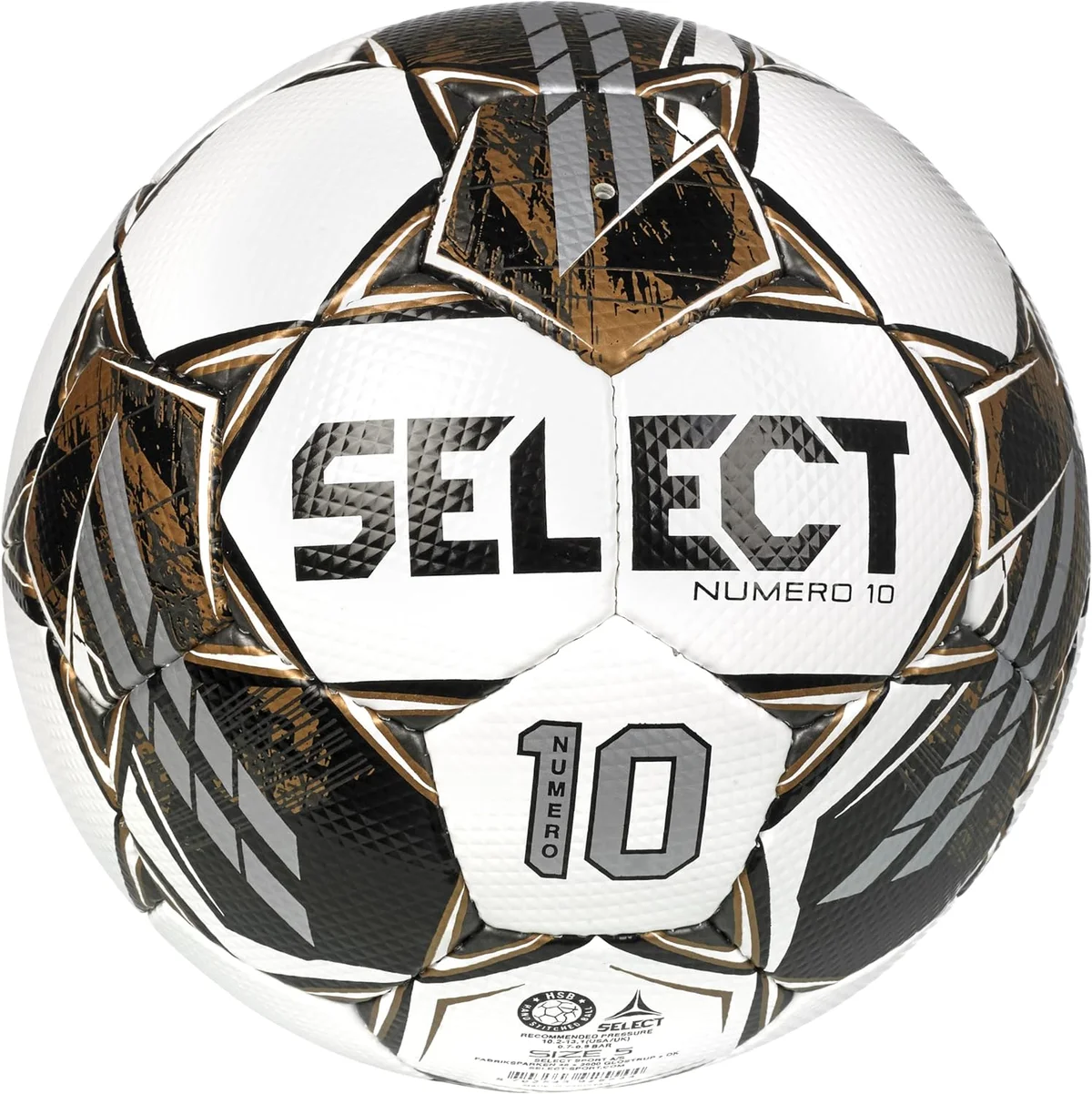
Select Numero 10 Soccer Ball Review 2026: Quality, Touch, and Durability
Select Numero 10 Soccer Ball Review 2026
Updated July 2026. The Select Numero 10 is the ball I would look at first for a serious youth player who needs one dependable ball for technical work, team practice, and occasional match use. This page is now focused only on the Select Numero 10 so it does not compete with our broader soccer training ball reviews roundup.
Quick Picks at a Glance
| Product | Best for | Rating | Link |
|---|---|---|---|
 Select Numero 10 Soccer Ball Select Numero 10 Soccer Ball |
Durable training and match-style play | 4.7/5 | Check price on Amazon |
Why Trust Our Pick
This review focuses on the details that matter for youth players and coaches: touch, shape retention, air retention, durability, age fit, and value across repeated training sessions. The Select Numero 10 remains a single-product review here, while the broader comparison lives in our soccer training ball reviews guide.
Pros and Cons
| Pros | Cons |
|---|---|
| Excellent durability for repeated training | Costs more than basic club balls |
| Consistent flight and shape retention | Firmer feel may not suit very young players |
| Good touch for passing, shooting, and first-touch work | Still needs regular pressure checks |
| Useful bridge between practice and match play | Not a smart-ball or app-guided trainer |
Detailed Reviews
Select Numero 10 Soccer Ball

The Select Numero 10 has earned its reputation because it behaves like a serious soccer ball rather than a disposable practice ball. The touch is firm and predictable, which helps players feel the difference between a clean pass, a heavy first touch, and a mishit shot. For players who are starting to care about technique, that feedback matters.
Durability is the main reason to choose it over cheaper balls. A low-cost ball can lose shape, scuff quickly, or feel inconsistent after a few hard weeks. The Numero 10 usually holds up better through wall passes, finishing sessions, juggling, rondos, and backyard work. It still needs basic care: keep it inflated to the recommended pressure, avoid leaving it in a hot car, and do not use it as a playground kickball.
The ball is also a good fit for coaches who want a small set of dependable training balls. When every ball in a drill has a similar weight and response, players get cleaner repetitions and coaches waste less time swapping out dead balls.
Rating Breakdown
| Category | Score | Notes |
|---|---|---|
| Touch | 4.7/5 | Firm, clean response for passing and first touch. |
| Durability | 4.8/5 | Strong choice for repeated weekly training. |
| Value | 4.4/5 | Costs more up front, but lasts longer than many budget balls. |
| Youth fit | 4.6/5 | Best for older or committed players who train often. |
Who Should Buy It?
Buy the Select Numero 10 if your player is training at home, attending club practice, or preparing for middle school, high school, or travel soccer. It is especially useful for players working on first touch, driven passing, long passing, and finishing because it gives more honest feedback than many soft recreational balls.
If your player is brand new and mostly wants a ball for the park, a cheaper ball is fine. If your player wants app-guided touches or a tethered repetition tool, compare it against the SenseBall and Dribble Up style options in our best soccer training balls guide.
Select Numero 10 vs Adidas MLS Club Ball
The Adidas MLS Club ball is usually the better budget pick. It is easier to justify for younger players, school bags, or casual practice. The Select Numero 10 is the stronger long-term training ball when touch, flight, and durability matter more than the lowest price.
How to Choose the Right Soccer Training Ball
Match Feel vs Training Durability
A good youth training ball should be durable enough for repeated sessions while still giving players an honest touch. The Select Numero 10 leans toward the serious-training side: firmer, more consistent, and better suited for club players than very soft bargain balls.
Construction
Panel construction, stitching, and bladder quality affect how the ball flies and whether it keeps its shape. For players training multiple times per week, durability and air retention matter more than graphics or a short-term sale price.
Size by Age
| Ball size | Typical age | Best use |
|---|---|---|
| Size 3 | U8 and younger | Early touches and small-sided play |
| Size 4 | U9-U12 | Youth league training and games |
| Size 5 | U13 and older | Teen, high school, and adult play |
When to Spend More
Spend more when the player trains consistently, needs a ball for club sessions, or is working seriously on first touch and passing quality. Save money when the player is new, very young, or mostly playing casually at the park.
Final Verdict
The Select Numero 10 is worth buying when soccer has moved beyond occasional backyard play. It gives youth players a ball that feels consistent, rewards clean technique, and survives regular training. For a broad comparison of training balls, smart balls, and repetition tools, use our soccer training ball reviews page; for this specific ball, the Numero 10 remains one of the best all-around picks.
Products We Reviewed
Select Numero 10 Soccer Ball
Frequently Asked Questions
Is the Select Numero 10 soccer ball good for youth players?
Is the Select Numero 10 better for training or games?
What size Select Numero 10 should I buy?
How does Select Numero 10 compare with cheaper club balls?
Related Articles
Best Soccer Coach Gifts 2026: 10 Ideas They'll Actually Appreciate
Find the best soccer coach gifts for end-of-season and holidays — practical gear, training tools, and team gifts ranked by usefulness and budget.
Lionel Messi Adidas Collection 2026: Best Items Worth Buying
We ranked the best Lionel Messi Adidas collection items for fans and players — cleats, balls, and gear compared by value, fit, and everyday use.
Best Bench and Squat Rack for Soccer Players and Home Athletes
Compare the best bench and squat rack options for soccer players, beginners, and home gyms with advice on safety, space, and training value.
Puma Future Pro Kids Review: Are These a Good Youth Soccer Cleat?
Read our Puma Future Pro youth cleat review with fit notes, pros and cons, size guidance, and comparisons against Adidas and Nike options.