
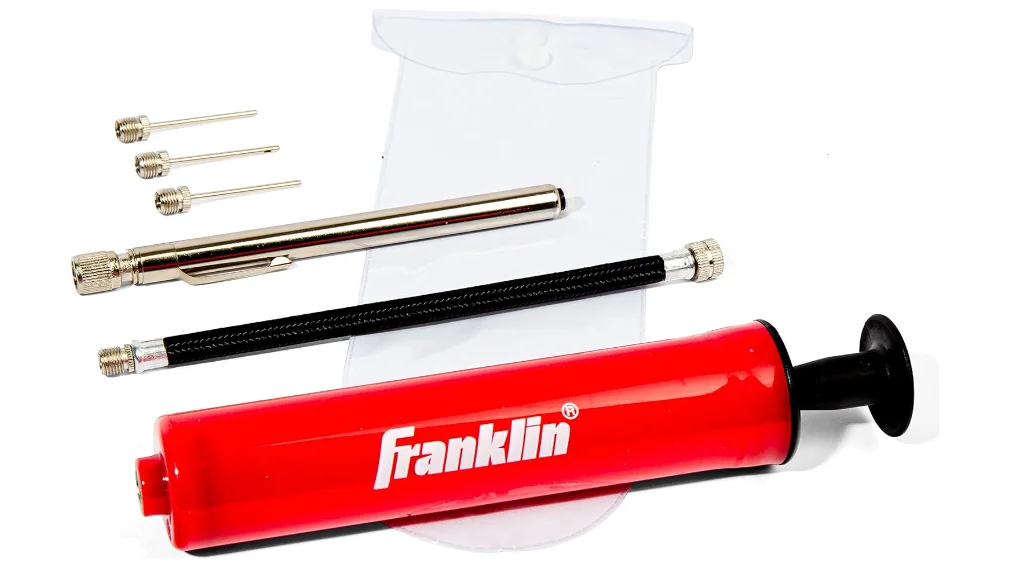
Best Soccer Ball Pump: What to Buy for Training, Games, and Travel
A soccer ball pump is one of those small pieces of gear that matters most when you do not have it. A ball that is underinflated changes touch, flight, and bounce. A ball that is overinflated can feel harsh and unpredictable. That is why a good pump belongs in every coach bag, equipment bin, and family car.
This guide explains what to look for in the best soccer ball pump and which style makes the most sense depending on how often you play, travel, and inflate balls.
Quick comparison
| Pump type | Best for | Main advantage | Typical range |
|---|---|---|---|
| Manual hand pump | Quick field use | Cheap and portable | Low |
| Dual-action pump | Frequent use | Faster inflation | Low-mid |
| Portable electric pump | Tournaments and convenience | Less effort | Mid |
| Larger floor pump | Coaches and team setups | Efficiency and pressure control | Mid-high |
What matters in a soccer ball pump?
- Reliability: cheap pumps fail at the worst moment.
- Needles and hose quality: weak accessories create most pump frustrations.
- Portability: field use and travel often matter more than raw power.
- Pressure control: a gauge helps avoid guessing.
Which type should you buy?
Manual hand pump
Best for players and parents who want something small and simple in a bag. Great for topping off one or two balls quickly.
Dual-action pump
A strong middle ground for regular training use. Inflates faster than a basic hand pump and usually feels worth the small step up in price.
Portable electric pump
Useful for tournament weekends or families who want convenience over squeezing a pump by hand. It is more expensive, but easier when you manage multiple balls.
Floor pump
Best for coaches or teams that handle several balls often. It is less portable, but much better for frequent inflation jobs.
Do you need a pressure gauge?
It helps. A gauge makes it easier to keep balls in a more consistent range, especially if you rotate through multiple balls during training.
Why this matters more than people think
Ball pressure affects passing feel, striking, first touch, and overall realism in training. If you are putting money into good equipment, it makes little sense to ignore the tool that keeps your ball in usable condition.
What to pair with it
A pump is not exciting by itself, but it supports everything else. It pairs naturally with a good ball and useful training structure. For related picks, see our guides to soccer training balls, Select Numero 10, and soccer training equipment.
Frequently asked questions
What is the best soccer ball pump for most people?
Usually a solid hand pump or dual-action pump gives the best balance of price, portability, and usefulness.
Are electric pumps worth it?
They can be, especially if you inflate multiple balls often or want less effort during travel weekends.
How often should soccer balls be checked?
Before games and regularly during training cycles, especially if the balls are used often or stored in changing temperatures.
Keep Reading
To build on this topic, review our guides to soccer training balls, training equipment, and best futsal balls.
Related Articles
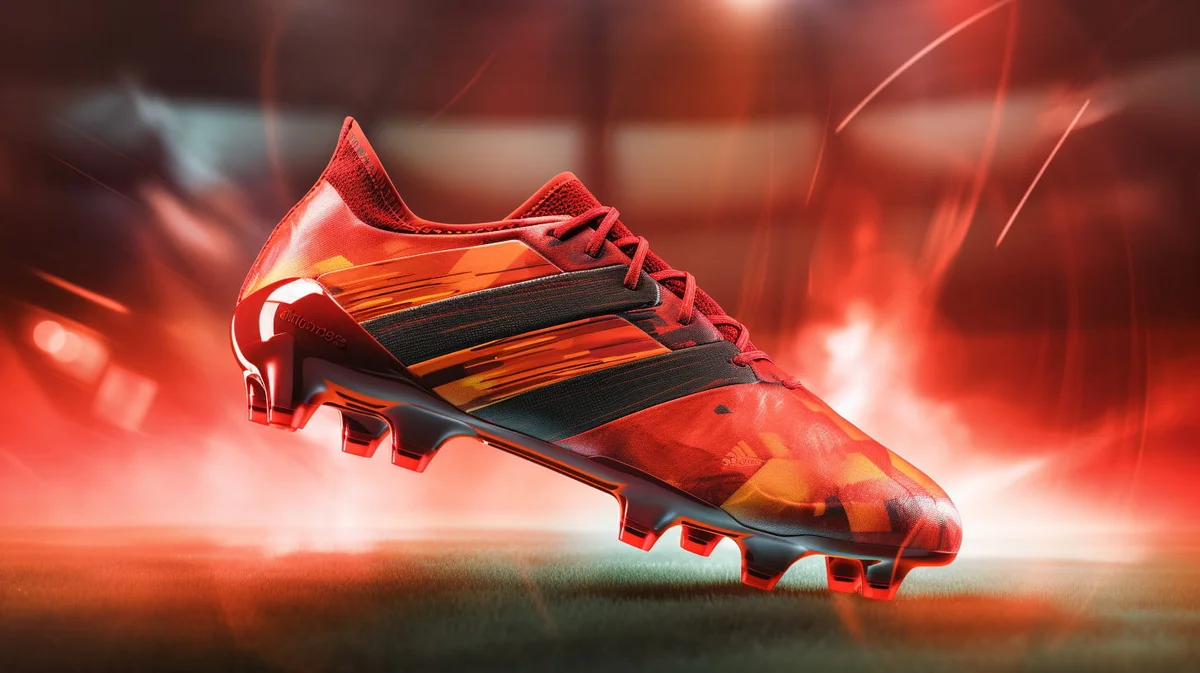
Best Soccer Cleats 2026: Top Picks for Every Position & Budget
Find the best soccer cleats for your position and surface. We compare Adidas, Nike, PUMA and more — firm ground, turf, indoor — for youth and adult players.
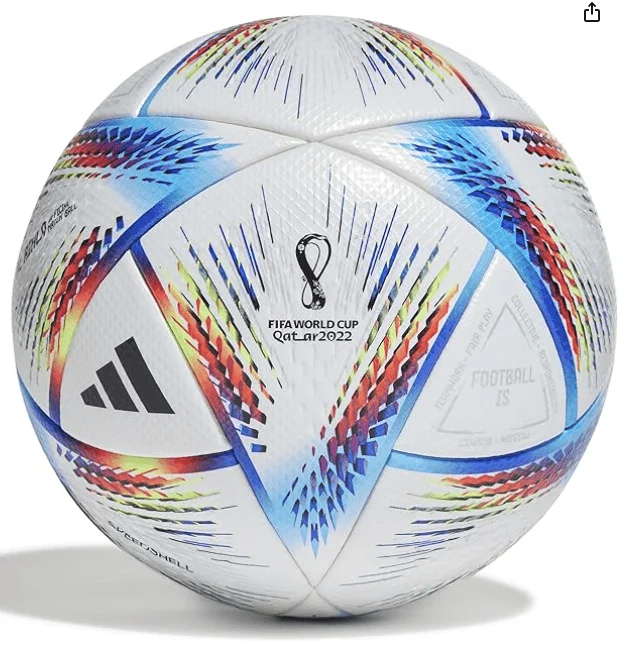
Best Soccer Training Equipment for Youth Players (2026 Guide)
Our guide to the best soccer training equipment covers strength, agility, and skill gear — squat racks, agility ladders, training balls, cones, and more for youth athletes.
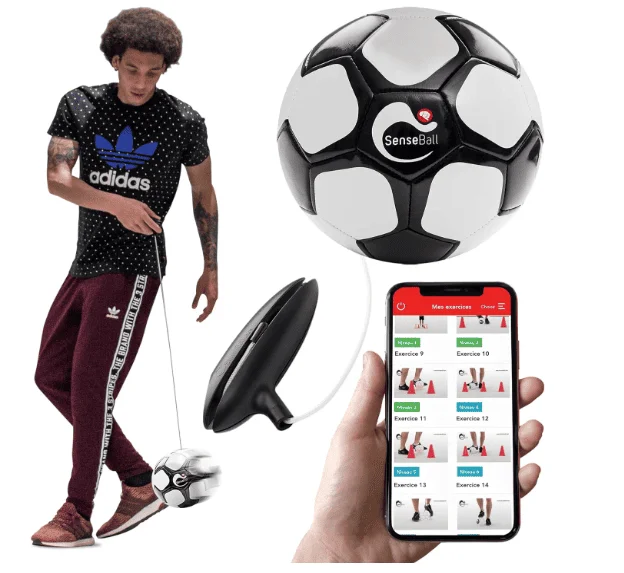
Best Soccer Training Balls: Reviews, Comparisons, and What to Buy
Find the best soccer training balls for dribbling, passing, first touch, and everyday practice, with clear recommendations by budget and training style.

Best Full Size Soccer Goals for Home (2025): Top Picks Reviewed
Looking for the best full size soccer goal for your backyard? We compare the top options — from professional-grade FORZA to budget picks — to help you choose.