

The Ultimate Guide to Youth Soccer Training (2026 Edition)
Youth soccer training works best when it matches the player's age, attention span, physical maturity, and long-term goals. A great training plan is not just a list of drills. It is a structure that helps young players improve technical skill, decision-making, fitness, confidence, and enjoyment of the game at the same time.
This guide is the main training hub for Youth Soccer Sports. It gives parents, coaches, and players a practical framework for building better weekly routines, choosing the right development priorities, and avoiding the common mistake of trying to do too much too early.
Table of contents
What good youth soccer training looks like
Strong youth training is age-appropriate, consistent, and game-connected. Players improve faster when sessions include a lot of touches, realistic decisions, repetition under light pressure, and enough recovery to absorb the work.
- Technical growth: first touch, passing, dribbling, finishing, and receiving under control.
- Tactical awareness: spacing, scanning, support angles, and simple decision-making.
- Physical development: movement quality, balance, speed, and durability.
- Mental growth: confidence, resilience, communication, and coachability.
Training priorities by age group
U6 to U8: fun, coordination, and comfort with the ball
At this stage, training should feel active and enjoyable. Young players need games, movement, and repeated ball contact more than heavy tactics.
- Short sessions with high energy
- Simple dribbling and change-of-direction games
- Basic passing and receiving habits
- Lots of encouragement and low-pressure repetition
U10 to U12: skill development and decision-making
This is a strong window for technical growth. Players can handle more repetition and begin to understand support, timing, and small-group play.
- Ball mastery and first-touch work
- Passing combinations and receiving angles
- Small-sided games with simple tactical rules
- Light speed, agility, and coordination work
U14 to U16: competitive training and role understanding
Older youth players need more position-specific detail and better load management. The goal is to sharpen quality without burning players out.
- Higher-tempo technical work
- Transition moments, pressing, and defensive shape
- Speed, agility, and strength support work
- Video, reflection, and match review where useful
U18 and older: performance, preparation, and independence
Players at this stage should understand how to train outside team sessions. They need ownership, not just attendance.
- Position-specific details
- Targeted strength and mobility work
- Recovery, sleep, and fueling habits
- Clear recruiting or long-term development goals
How to train at home without wasting time
Home training should support team training, not copy it badly. A smart at-home session is short, focused, and repeatable.
- 10 minutes: ball mastery or first-touch work
- 10 minutes: passing, receiving, or finishing reps
- 5 to 10 minutes: mobility, agility, or light recovery
Good home training topics include soccer ball handling drills, dribbling drills, and passing drills.
How to structure a youth soccer training week
A balanced week matters more than chasing daily intensity. The right structure depends on age, schedule, and match load, but a simple model works for most players.
| Day type | Main goal | Example focus |
|---|---|---|
| Team day 1 | Technical quality | Receiving, passing, dribbling, finishing |
| Home support day | Individual improvement | Ball mastery, touches, wall passing |
| Team day 2 | Tactical and game play | Shape, transition, small-sided games |
| Support day | Movement and recovery | Agility, mobility, light strength |
| Match day | Performance | Warmup, compete, recover |
For a broader age-based view, see optimal youth soccer training.
Life skills good soccer training should build
One reason youth soccer matters is that the best programs build more than players. Strong training environments also teach:
- Discipline and consistency
- Communication and teamwork
- Resilience after mistakes
- Confidence through preparation
- Responsibility for sleep, effort, and recovery
That life-skills angle is one of the biggest differences between random drill collections and a real development plan.
Recovery, nutrition, and mindset matter too
Players do not improve from work alone. They improve from work plus recovery. If a player is always tired, under-fueled, or mentally flat, the training quality drops fast.
- Soccer recovery session for post-game recovery habits
- Nutrition for active youth for fueling and hydration
- Mental toughness for youth soccer players for confidence and resilience
- College recruiting guide for families with long-term goals
Best next steps by need
- If your player needs a daily structure, start with the 21-day soccer training program.
- If your player needs cleaner touch, go to ball handling drills.
- If your player needs more athletic support, add soccer strength training.
- If your player needs a local place to play, use find youth soccer teams.
Frequently asked questions
How do I train a young soccer player?
Start with age-appropriate technical work, short focused sessions, and enough recovery. Build skill first, then layer in tactics, fitness, and mental habits.
What age should kids start soccer training?
Many kids start organized soccer young, but formal training should stay playful and simple in the earliest years. Structure should increase gradually as players mature.
How many hours a week should youth soccer players train?
That depends on age, level, and match schedule. For most players, a balanced weekly rhythm works better than nonstop volume.
Keep Reading
To go deeper, continue with 21-day soccer training, soccer ball handling drills, and how to get better at soccer.
Related Articles
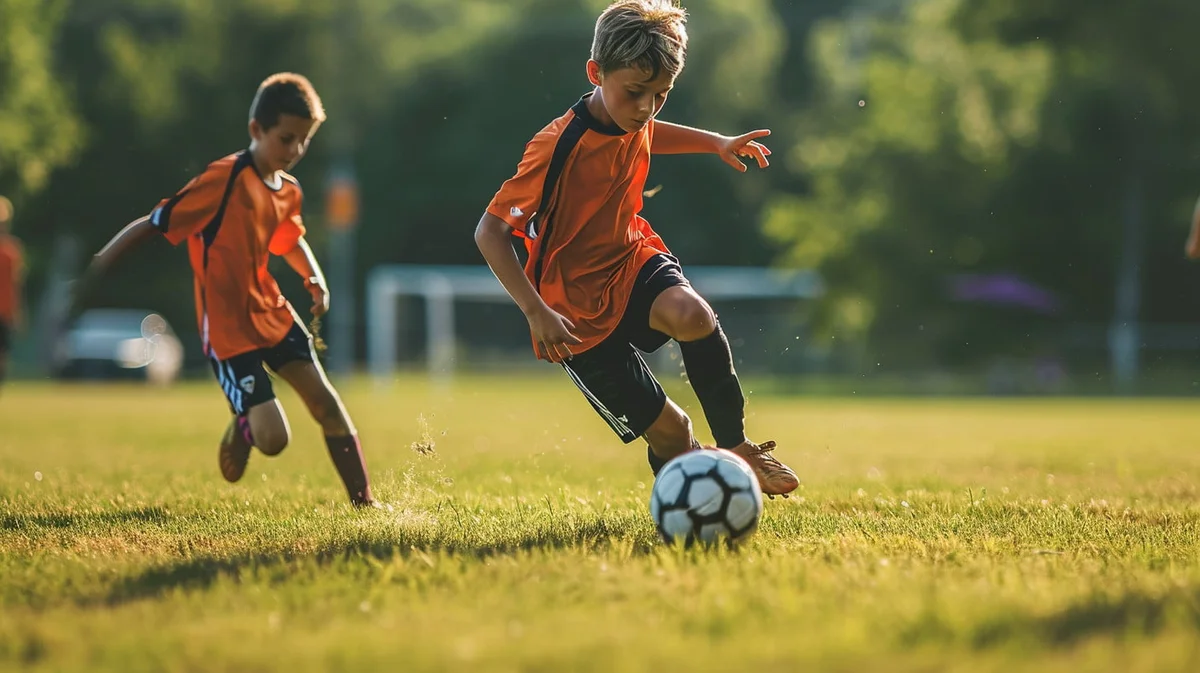
8 Soccer Ball Handling Drills to Improve Your Touch and Control
Use these soccer ball handling drills to sharpen touch, close control, and confidence with a simple training structure for beginners and youth players.
Optimal Youth Soccer Training: How Often Should Kids Practice?
Find the right youth soccer training frequency by age, with practical advice on skill work, recovery, rest days, and how to avoid burnout.

How to Gain Confidence in Soccer: 8 Proven Mental Strategies
Build your soccer confidence with 8 proven mental strategies — positive self-talk, goal-setting, handling mistakes, and pre-game routines for youth players.

How to Get Better at Soccer: 10 Proven Tips for Youth Players
Want to get better at soccer? These 10 proven tips cover ball control, fitness, mental toughness, tactical thinking, and consistent training habits.