
Best Soccer Training Equipment for Youth Players 2026: Complete Guide
Best Soccer Training Equipment for Youth Players 2026
Updated July 2026. The best soccer training equipment is not the biggest pile of gear. It is the small set a player will actually use: a proper ball, cones, a footwork tool, a rebounder or goal, and a few support items that make practice easier to repeat.
Quick Picks at a Glance
| Equipment | Best for | When to buy |
|---|---|---|
| Core ball work | First serious upgrade | |
 GoSports Premium Sports Cones 20 Pack GoSports Premium Sports Cones 20 Pack | Dribbling grids and gates | Starter setup |
 GHB Pro Agility Ladder 12 Rung GHB Pro Agility Ladder 12 Rung | Footwork and rhythm | After ball and cones |
 SKLZ Quickster Soccer Trainer Rebounder SKLZ Quickster Soccer Trainer Rebounder | Solo passing reps | Best technical upgrade |
 SKLZ Quickster Soccer Goal 4x3 SKLZ Quickster Soccer Goal 4x3 | Backyard finishing | For shooting and small games |

The Best Starter Set by Age
| Age group | Best setup | Skip for now |
|---|---|---|
| U6-U8 | Size 3 ball, cones, small pop-up goal | Heavy rebounders, complex ladders |
| U9-U12 | Size 4 ball, cones, ladder, portable goal | Expensive smart gear unless self-motivated |
| U13-U19 | Size 5 ball, rebounder, cones, strength bands, pump gauge | Novelty gear that does not add repetitions |
Detailed Reviews
GoSports Premium Sports Cones 20 Pack
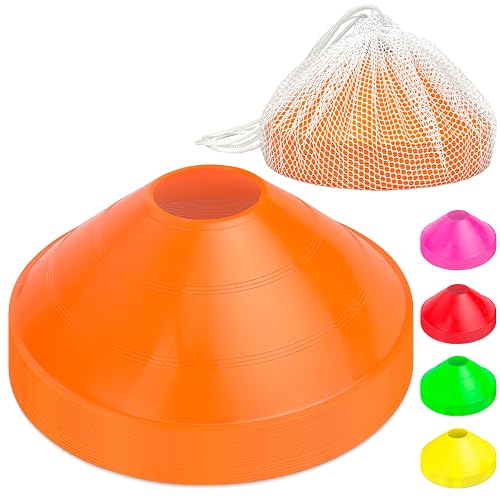
Cones are still the most useful low-cost soccer training tool. They create dribbling gates, passing targets, warmup grids, first-touch boxes, and small-sided boundaries. A 20-pack gives parents and coaches enough markers to build several drills without turning setup into a project.
Use cones for short, focused sessions: five minutes of ball mastery, five minutes of change-of-direction dribbling, and five minutes of passing gates can be more valuable than an hour of unfocused kicking.
GHB Pro Agility Ladder 12 Rung

An agility ladder helps with rhythm, balance, coordination, and quick foot patterns. For soccer players, the ladder is most useful when it is brief and immediately connected to the ball: ladder pattern, receive a pass, dribble through a gate, then finish or pass.
Do not turn ladder work into the whole practice. Young players need touches more than choreography. The ladder earns its place when it sharpens movement and then gets out of the way.
SKLZ Quickster Soccer Trainer Rebounder

A rebounder is one of the best upgrades for players training alone because it gives the ball back. That means more first touches, volleys, driven passes, and reaction reps without needing a parent to serve balls every time.
For a serious U10-U19 player, a rebounder often beats a second goal. Passing and receiving are used constantly in games, and a rebounder can create hundreds of clean repetitions in a small area.
Select Numero 10 Soccer Ball

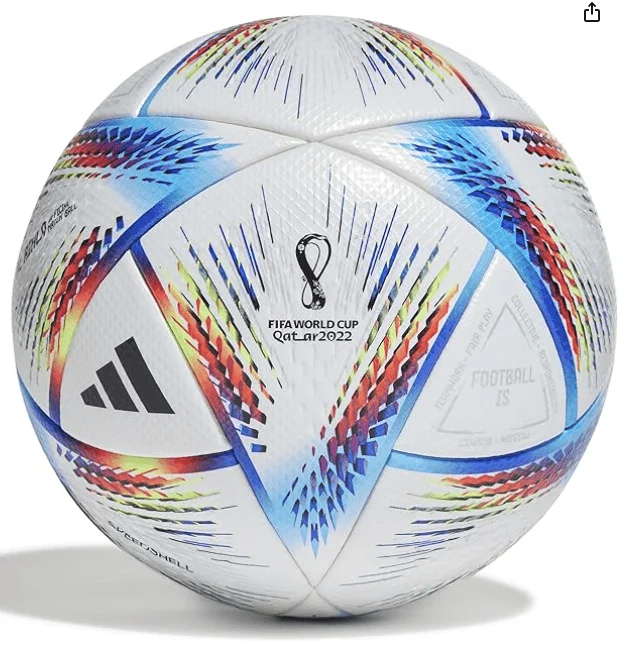
The ball is the foundation of the setup. The Select Numero 10 is a strong training ball because it feels consistent and holds up to repeated use. For a player who practices several times per week, a better ball is not a luxury; it is the one item used in nearly every session.
For more ball-specific comparisons, use our best soccer training balls guide. For the single-product breakdown, read the Select Numero 10 review.
SKLZ Quickster Soccer Goal 4x3
A small portable goal makes backyard practice more fun and gives shooting sessions a real target. The 4x3 size works well for younger players, tight spaces, and finishing games where a full-size frame would be unrealistic.
Always anchor portable goals and teach kids not to climb on them. A safe small goal is better than a large unstable one.
Eight Equipment Types Worth Considering
1. Training Ball
Buy the right size first. Size 3 for many younger players, size 4 for many U9-U12 players, and size 5 for U13 and older is the common path, but league rules come first.
2. Cones or Disc Markers
Cones make practice specific. They turn "go dribble" into gates, channels, turns, and scoring zones.
3. Agility Ladder
Use it for coordination, not conditioning punishment. Short ladder blocks work best.
4. Rebounder
The most useful solo-training upgrade for passing, receiving, volleys, and reaction touches.
5. Portable Goal
Best for finishing, target games, and making practice feel like soccer instead of drills only.
6. Pump and Pressure Gauge
Flat balls teach bad habits. A simple pump and gauge keep the ball consistent and extend its life.
7. Resistance Bands
Useful for older players doing activation, hip strength, and injury-prevention warmups. Younger players should keep strength work simple and supervised.
8. Grip Socks and Shin Guard Sleeves
Not essential, but they can reduce slipping inside the cleat and make longer sessions more comfortable.
Budget Setups
Starter: about $50
Buy a correct-size ball, cones, and a pump. This is enough for dribbling, passing with a parent, juggling, and ball mastery.
Serious: about $150
Add an agility ladder and either a portable goal or rebounder. This is the best value range for motivated U9-U14 players.
Complete: about $300+
Add both a rebounder and goal, plus resistance bands, grip socks, and extra balls for team-style reps. Spend here only if the player practices consistently.
Final Verdict
For most families, the best soccer training equipment setup is simple: one good ball, cones, a pump, and either a rebounder or portable goal. Add the ladder, bands, socks, and smart gear only when the basics are already getting used. The goal is not more gear; it is more good touches.
Products We Reviewed
GoSports Premium Sports Cones 20 Pack
GHB Pro Agility Ladder 12 Rung
SKLZ Quickster Soccer Trainer Rebounder
Select Numero 10 Soccer Ball

SKLZ Quickster Soccer Goal 4x3
Frequently Asked Questions
What soccer training equipment should a youth player buy first?
What is the best home soccer training setup?
Do kids need an agility ladder for soccer?
Is a rebounder better than a portable goal?
Related Articles
Best Soccer Coach Gifts 2026: 10 Ideas They'll Actually Appreciate
Find the best soccer coach gifts for end-of-season and holidays — practical gear, training tools, and team gifts ranked by usefulness and budget.
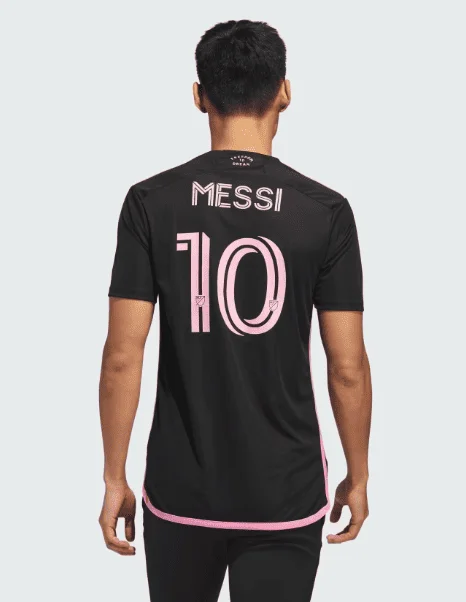
Lionel Messi Adidas Collection 2026: Best Items Worth Buying
We ranked the best Lionel Messi Adidas collection items for fans and players — cleats, balls, and gear compared by value, fit, and everyday use.
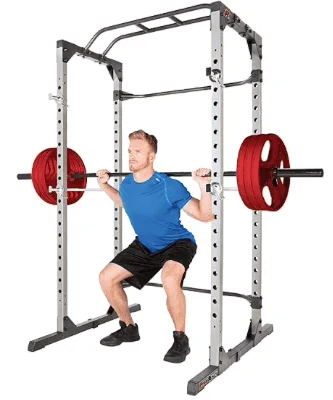
Best Bench and Squat Rack for Soccer Players and Home Athletes
Compare the best bench and squat rack options for soccer players, beginners, and home gyms with advice on safety, space, and training value.
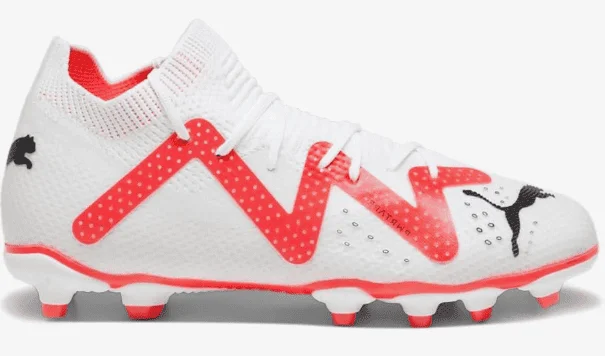
Puma Future Pro Kids Review: Are These a Good Youth Soccer Cleat?
Read our Puma Future Pro youth cleat review with fit notes, pros and cons, size guidance, and comparisons against Adidas and Nike options.