
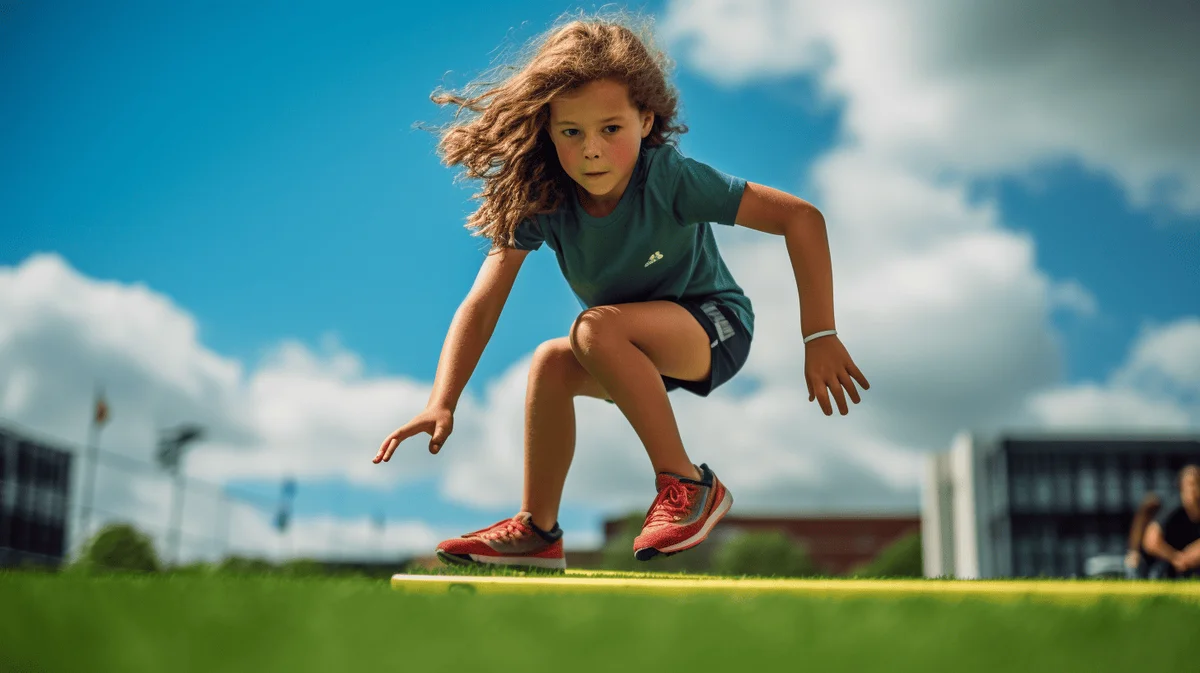
Soccer Agility Drills: 9 Exercises to Improve Quickness & Speed
Soccer agility is the ability to start, stop, cut, and react under control. It is different from pure speed. A player can run fast in a straight line and still struggle to change direction efficiently or stay balanced after a feint.
This guide covers nine soccer agility drills, explains the difference between agility and speed, and gives you a sample session you can use on your own or with a team.
What Is Soccer Agility?
Agility combines balance, body control, reaction speed, and coordination. Quickness is the first-step burst. Speed is top-end movement. Soccer players need all three, but agility is often what creates separation in tight spaces and helps defenders recover.
9 Soccer Agility Drills
1. Ladder one-in steps
Difficulty: Beginner. Step once in each square while staying light through the toes. This teaches rhythm and fast feet.
2. Ladder two-in steps
Difficulty: Beginner. Put two touches in every square and keep the torso stable. Great for coordination.
3. Lateral in-and-out
Difficulty: Intermediate. Move sideways through the ladder while maintaining a low stance. This transfers well to defending and pressing.
4. Ickey shuffle
Difficulty: Intermediate. Use the in-in-out pattern to challenge rhythm, timing, and body control.
5. Cone weave
Difficulty: Beginner to intermediate. Set up cones 2 to 3 yards apart and cut around each one with quick feet and low hips.
6. T-drill
Difficulty: Intermediate. Sprint forward, shuffle laterally, then backpedal. This is useful for all-around directional control.
7. Mirror reaction drill
Difficulty: Intermediate to advanced. One player leads and the other mirrors. This adds reaction and game-like unpredictability.
8. Close-and-recover drill
Difficulty: Intermediate. Close down an attacker or cone marker, stop under control, then recover back into shape.
9. Ball-and-cut combination
Difficulty: Advanced. Dribble at speed, perform a cut, then accelerate out. This connects footwork to actual soccer actions.
Sample Agility Training Session
- Warm-up: 8 to 10 minutes of dynamic movement and light ball work
- Footwork block: ladder drills for 6 to 8 minutes
- Change-of-direction block: cone weave and T-drill
- Reaction block: mirror drill or coach-call movement
- Soccer transfer: dribble and cut drill or small-sided game
Coaching Points
- Stay low through the hips when changing direction
- Use short, controlled steps instead of reaching
- Keep the upper body quiet and balanced
- Progress speed only when technique stays clean
Equipment That Helps
Simple tools such as cones, ladders, and markers are enough for most footwork work. If you need ideas, review our guide to best soccer training equipment and our review of the soccer training mat.
FAQs
What are the best agility drills for soccer?
The best drills are the ones that improve footwork, balance, and direction changes without becoming random. Ladder work, cone weaves, mirror drills, and dribble-cut drills are all effective.
How do I improve my footwork for soccer?
Train footwork two or three times per week with short, high-quality reps. Combine ladder work, cone movement, and ball-based changes of direction.
Keep Reading
Build on this with soccer speed training, soccer ball handling drills, and soccer dribbling drills.
Related Articles

How to Gain Confidence in Soccer: 8 Proven Mental Strategies
Build your soccer confidence with 8 proven mental strategies — positive self-talk, goal-setting, handling mistakes, and pre-game routines for youth players.

How to Get Better at Soccer: 10 Proven Tips for Youth Players
Want to get better at soccer? These 10 proven tips cover ball control, fitness, mental toughness, tactical thinking, and consistent training habits.
Soccer Speed Training: 7 Drills to Get Faster on the Field
Improve your speed on the soccer field with interval sprints, acceleration drills, and agility work. Proven speed training methods for youth players and coaches.

Fun Christmas Soccer Training Activities for Kids and Teams
Find fun Christmas soccer training activities for kids, teams, and winter break sessions, with festive drills for dribbling, passing, and shooting.