
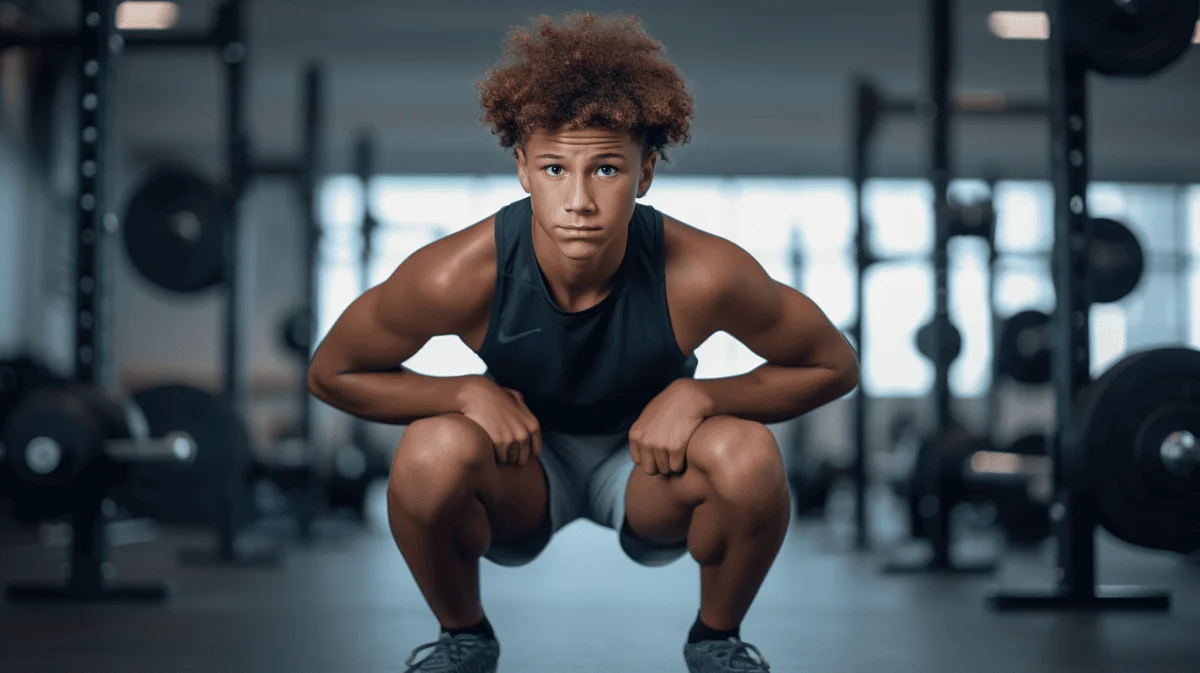
Soccer Strength Training: 8 Exercises for Explosive Power
Soccer strength training should make players more stable, more explosive, and more resilient. The goal is not bodybuilding. It is building the strength needed to sprint, hold off opponents, change direction, and stay durable across a long season.
This guide explains eight important strength exercises for soccer players, how to organize strength work across the year, and how youth athletes can train safely.
Why Strength Matters in Soccer
Players need strength to win duels, absorb contact, decelerate safely, and keep technique stable when tired. Good soccer strength training also supports injury reduction because stronger hips, hamstrings, and trunk muscles help control movement better.
8 Soccer Strength Exercises
1. Goblet squat
Builds lower-body strength and posture. A strong squat pattern supports jumping, tackling, and acceleration.
2. Split squat
Single-leg strength matters because soccer is full of unilateral actions. Split squats improve balance and power transfer.
3. Reverse lunge
Great for developing control through the hips and knees while reducing forward stress on the joints.
4. Romanian deadlift
Targets the posterior chain, especially the hamstrings and glutes, which matter for sprinting and deceleration.
5. Push-up
Upper-body strength helps with shielding, balance, and contact. Push-ups are a simple base exercise for all levels.
6. Pull or row variation
Pulling strength improves posture and overall balance. Bands, dumbbells, or bodyweight options all work.
7. Plank and anti-rotation core work
Core training should teach players to resist movement, not just chase ab fatigue. Planks, dead bugs, and pallof presses are good options.
8. Jump and land drills
Low-volume plyometrics teach players to create force and control landing mechanics. Quality matters more than quantity.
Soccer Strength Training by Phase
- Pre-season: build strength and movement quality with two sessions per week
- In-season: maintain strength with one or two shorter sessions
- Off-season: develop the foundation, fix weak points, and progress gradually
Can Youth Players Do Strength Training?
Yes, when it is coached correctly. Youth players can safely do strength training using bodyweight, light resistance, and controlled technique. The priority is movement quality, supervision, and gradual progression. Parents should think well-coached athletic development, not maximum lifting.
Sample Weekly Schedule
| Day | Focus |
|---|---|
| Session 1 | Squat, lunge, push, core, landing mechanics |
| Session 2 | Hinge, split stance work, row, jumps, mobility |
Equipment and Setup
You do not need a commercial gym to start. Dumbbells, bands, medicine balls, and a safe rack setup can cover most youth needs. For home setups, see our bench and squat rack review. For field-based additions, review best soccer training equipment.
FAQs
How do soccer players build strength?
They use consistent lower-body, core, and total-body training with good technique, progressive overload, and recovery.
What strength exercises are best for soccer?
Squats, split squats, lunges, hinging patterns, core stability work, and controlled plyometrics are some of the best foundations.
Can youth soccer players do strength training?
Yes. Age-appropriate strength work is safe and valuable when coached properly and built around technique first.
Keep Reading
To round out a full plan, pair this guide with soccer agility drills and optimal training for youth soccer.
Related Articles

How to Gain Confidence in Soccer: 8 Proven Mental Strategies
Build your soccer confidence with 8 proven mental strategies — positive self-talk, goal-setting, handling mistakes, and pre-game routines for youth players.

How to Get Better at Soccer: 10 Proven Tips for Youth Players
Want to get better at soccer? These 10 proven tips cover ball control, fitness, mental toughness, tactical thinking, and consistent training habits.

Soccer Speed Training: 7 Drills to Get Faster on the Field
Improve your speed on the soccer field with interval sprints, acceleration drills, and agility work. Proven speed training methods for youth players and coaches.

Fun Christmas Soccer Training Activities for Kids and Teams
Find fun Christmas soccer training activities for kids, teams, and winter break sessions, with festive drills for dribbling, passing, and shooting.